
Anger is a natural human emotion, but when it becomes overwhelming or destructive, it can significantly impact our relationships, work performance, and overall well-being. In India's fast-paced urban environment, many people struggle with managing their anger effectively. The good news is that various proven therapy techniques can help you develop healthier ways to process and express anger.
Understanding Anger in the Indian Context
In Indian society, anger expression is often influenced by cultural expectations and social norms. Many individuals suppress their anger, believing it's inappropriate to express frustration openly, while others may struggle with explosive outbursts. Both extremes can be harmful to mental health and relationships.
Recognizing that anger is a valid emotion that deserves attention and proper management is the first step toward healing. Professional anger management therapy provides a safe space to explore these feelings without judgment.
Evidence-Based Anger Management Techniques
Cognitive Behavioral Therapy (CBT)
CBT is one of the most effective approaches for anger management. This technique helps you identify the thought patterns that trigger angry responses and replace them with more balanced perspectives.
Key CBT strategies include:
- Identifying anger triggers and warning signs
- Challenging negative thought patterns
- Developing coping statements
- Learning problem-solving skills
- Practicing relaxation techniques
Mindfulness and Meditation
Rooted in ancient Indian traditions, mindfulness practices are particularly relevant for anger management. These techniques help create space between the trigger and your response, allowing for more thoughtful reactions.
Mindfulness techniques for anger include:
- Deep breathing exercises
- Body scan meditation
- Mindful observation of angry thoughts
- Present-moment awareness practices
- Progressive muscle relaxation
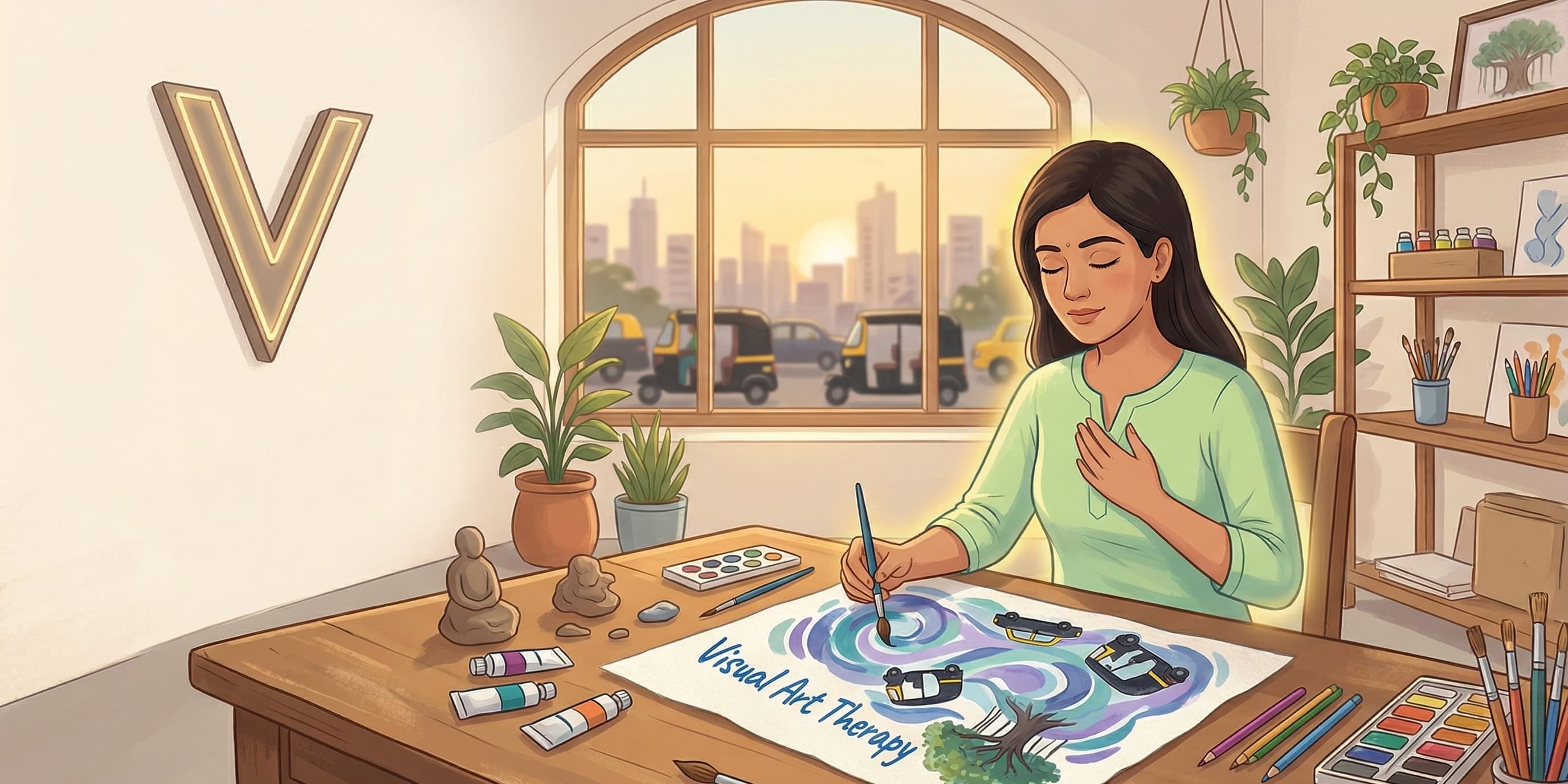
Visual Art Therapy for Anger Management
Visual art therapy offers a unique and powerful approach to anger management, especially for those who find it difficult to express emotions verbally. Through creative expression, individuals can safely explore and release anger in constructive ways.
Art therapy techniques for anger include:
- Expressive drawing: Using vigorous strokes and bold colors to release pent-up emotions
- Color exploration: Understanding how different colors represent various emotional states
- Sculpting and crafting: Working with clay or other materials to physically process anger
- Mandala creation: Finding calm and center through structured, meditative art-making
- Visual journaling: Combining images and words to track emotional patterns
Art therapy provides a non-threatening way to explore anger while developing emotional regulation skills. The creative process itself can be deeply therapeutic, offering immediate relief and long-term coping strategies.
Practical Daily Techniques
The STOP Method
When you feel anger rising, use this simple acronym:
- Stop what you're doing
- Take a deep breath
- Observe your thoughts and feelings
- Proceed mindfully
Time-Out Strategy
Remove yourself from the triggering situation for 15-20 minutes. Use this time to:
- Practice deep breathing
- Take a walk
- Listen to calming music
- Engage in brief sketching or doodling
Physical Release Techniques
Since anger creates physical tension, healthy physical outlets are essential:
- Regular exercise or yoga
- Dancing to favorite music
- Vigorous cleaning or organizing
- Squeezing a stress ball
- Engaging in art activities like painting or drawing
Building Long-Term Anger Management Skills
Developing Emotional Awareness
Regular self-reflection helps you understand your anger patterns. Consider keeping an anger diary or creating visual representations of your emotions through art to track triggers and responses.
Improving Communication Skills
Learn to express needs and boundaries assertively rather than aggressively. Practice using "I" statements and active listening techniques.
Stress Management
Since stress often amplifies anger, developing overall stress management skills is crucial. This might include:
- Establishing healthy sleep routines
- Maintaining work-life balance
- Building supportive relationships
- Engaging in regular creative activities
When to Seek Professional Help
Consider professional anger management therapy if you experience:
- Frequent angry outbursts that damage relationships
- Physical symptoms like headaches or high blood pressure
- Thoughts of violence or self-harm
- Difficulty controlling anger despite trying various techniques
- Impact on work performance or daily functioning
The Benefits of Professional Support
Working with a qualified therapist provides:
- Personalized strategies based on your specific triggers
- Safe space to explore underlying causes of anger
- Professional guidance in developing coping skills
- Support in healing damaged relationships
- Long-term tools for emotional regulation
Visual art therapy, in particular, can be especially beneficial for those who struggle with traditional talk therapy or prefer more creative approaches to healing.
Creating Your Anger Management Plan
Successful anger management involves:
- Assessment: Understanding your unique anger patterns
- Skill building: Learning various coping techniques
- Practice: Regular application of new skills
- Support: Having professional guidance and social support
- Patience: Allowing time for lasting change to develop
Remember, managing anger is a skill that improves with practice. Be patient with yourself as you develop these new abilities.
Ready to take control of your anger and improve your emotional well-being? At Let's Take a Moment, our experienced visual art therapist Vijayta offers personalized anger management support through creative and proven therapeutic techniques. Take the first step toward healthier emotional expression and book a trial session at letstakeamoment.in today.